About
I am a fourth-year Ph.D. student in Information Studies at UT Austin. My academic home is the iSchool within the School of Computing, where I am a member of the AI Health Lab, led by Professor Ying Ding. Previously, I worked with Professor Yi Bu and Professor Win-bin Huang at Peking University.
Feel free to reach out! For more details, please check my CV.
Research
My current research focuses on AI agents and their applications in health, alongside earlier work in the science of science.
Agents & reasoning
Long-context reasoning, workflow design, and uncertainty calibration.

SEER: Long-Context Reasoning via Selective Visual-Text Compression
SEER scans visually compressed context, then retrieves the original text where the query requires more precise detail.
Jiawei Xu, Zhilin Zhai, Jinrui Fang, Ruohan Xu, Mingfei Lu, Yi Zhang, Guanchu Wang, Tianlong Chen, Ying Ding.
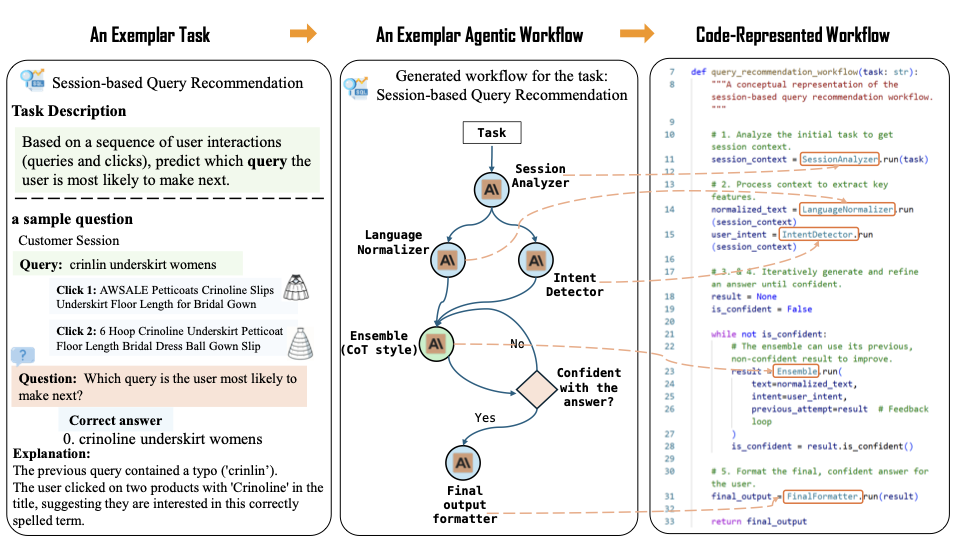
Rethinking the Value of Multi-Agent Workflow: A Strong Single Agent Baseline
OneFlow tests what multi-agent workflows gain over a single agent, and adapts workflows for efficient single-agent execution.
Jiawei Xu, Arief Koesdwiady, Sisong Bei, Yan Han, Baixiang Huang, Dakuo Wang, Yutong Chen, Zheshen Wang, Peihao Wang, Pan Li, Ying Ding.
Preprint, 2026. (Featured as cover paper in DAIR.AI Top AI Papers of the Week) arXiv
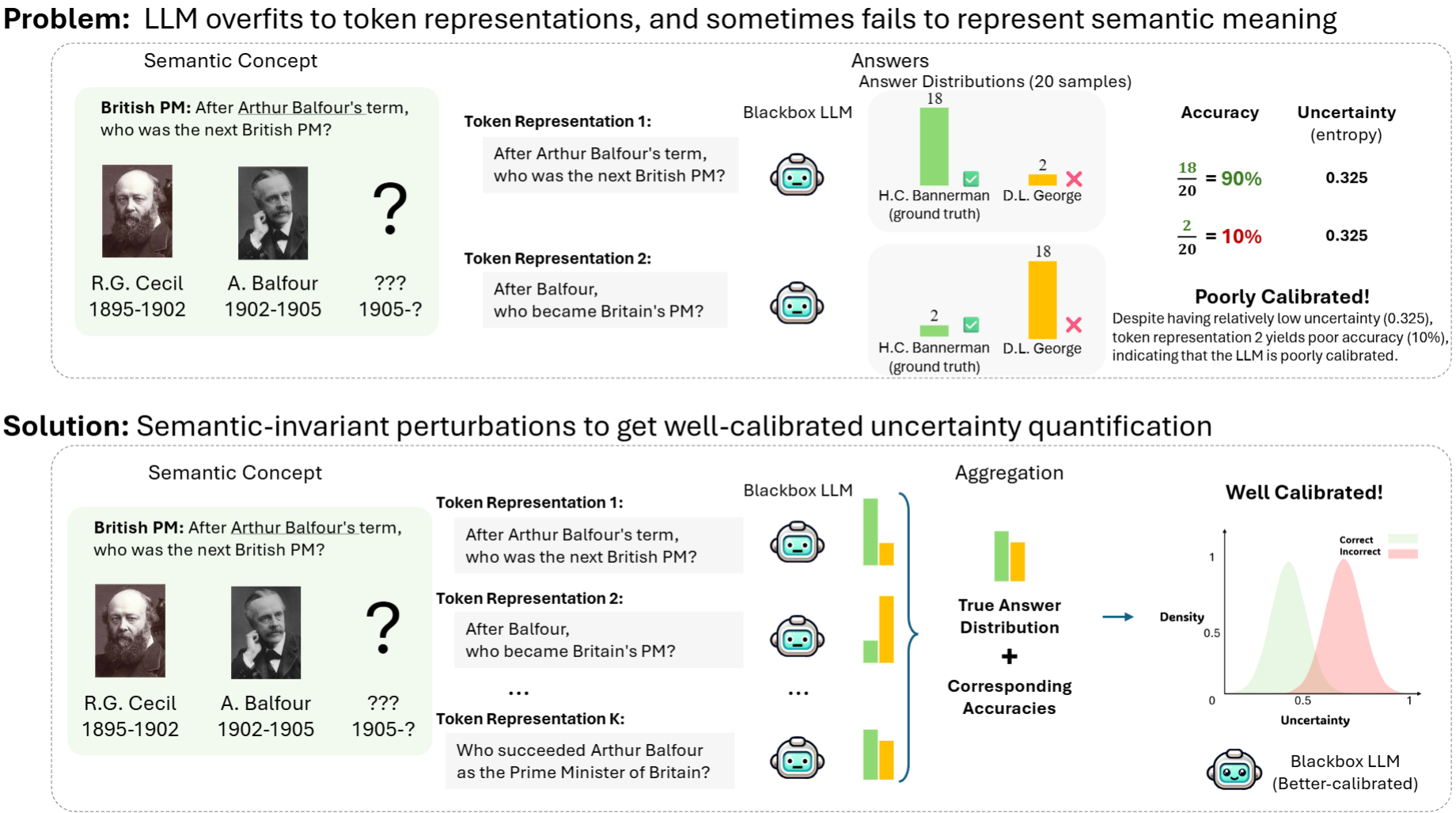
Mapping from Meaning: Addressing the Miscalibration of Prompt-Sensitive Language Models
Paraphrasing semantically equivalent prompts helps separate prompt sensitivity from uncertainty about an answer.
Kyle Cox, Jiawei Xu, Yikun Han, Rong Xu, Tianhao Li, Chi-Yang Hsu, Tianlong Chen, Walter Gerych, Ying Ding.
AAAI, 2025. Code
Healthcare & biomedical AI
Hallucination detection, clinical interviews, pathology, and biological reasoning.
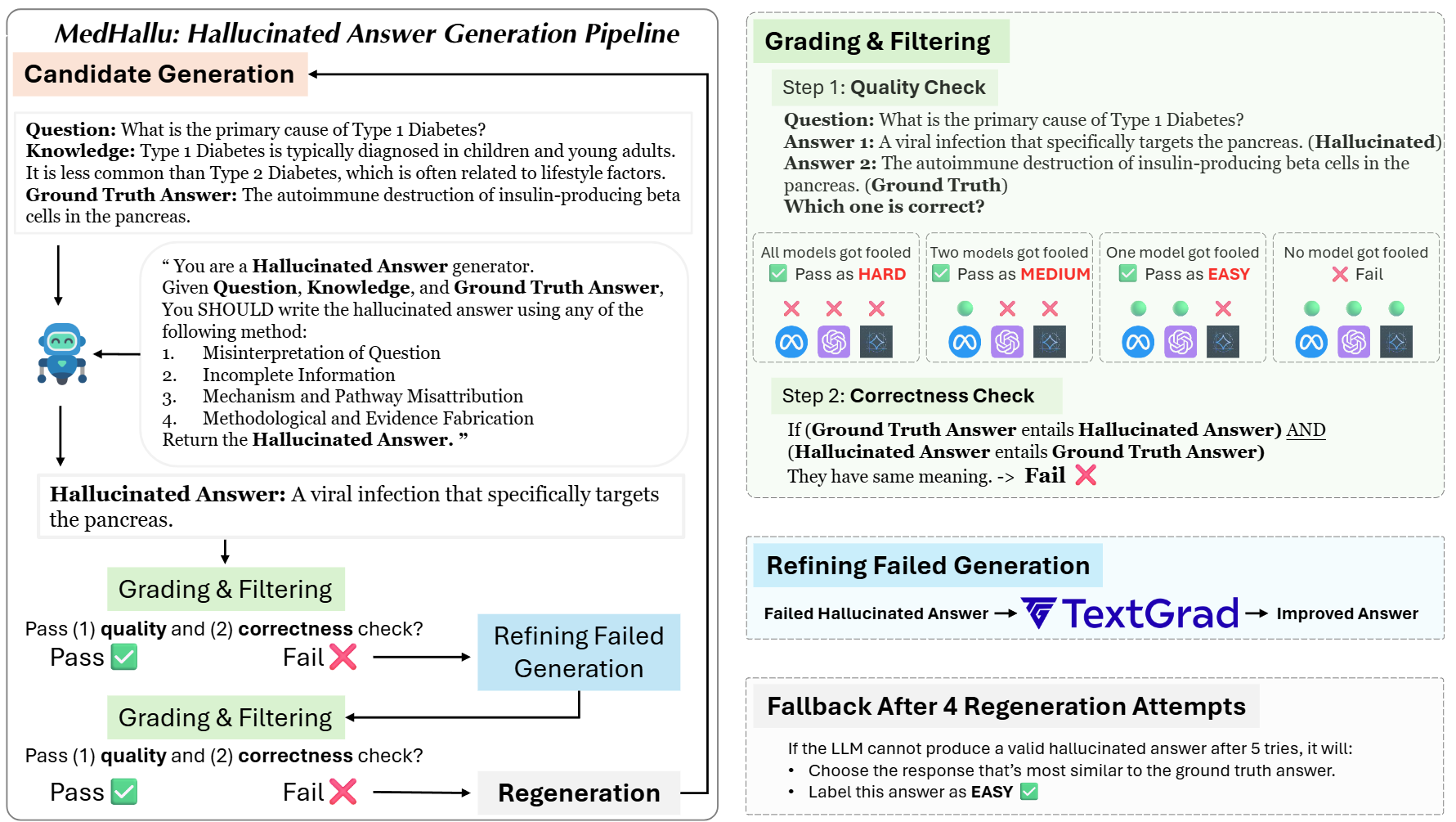
MedHallu: A Comprehensive Benchmark for Detecting Medical Hallucinations in Large Language Models
MedHallu evaluates whether language models can distinguish plausible medical hallucinations from correct answers.
Shrey Pandit, Jiawei Xu, Junyuan Hong, Zhangyang Wang, Tianlong Chen, Kaidi Xu, Ying Ding.
Science of science
Interdisciplinarity, citation networks, and the teams behind scientific research.
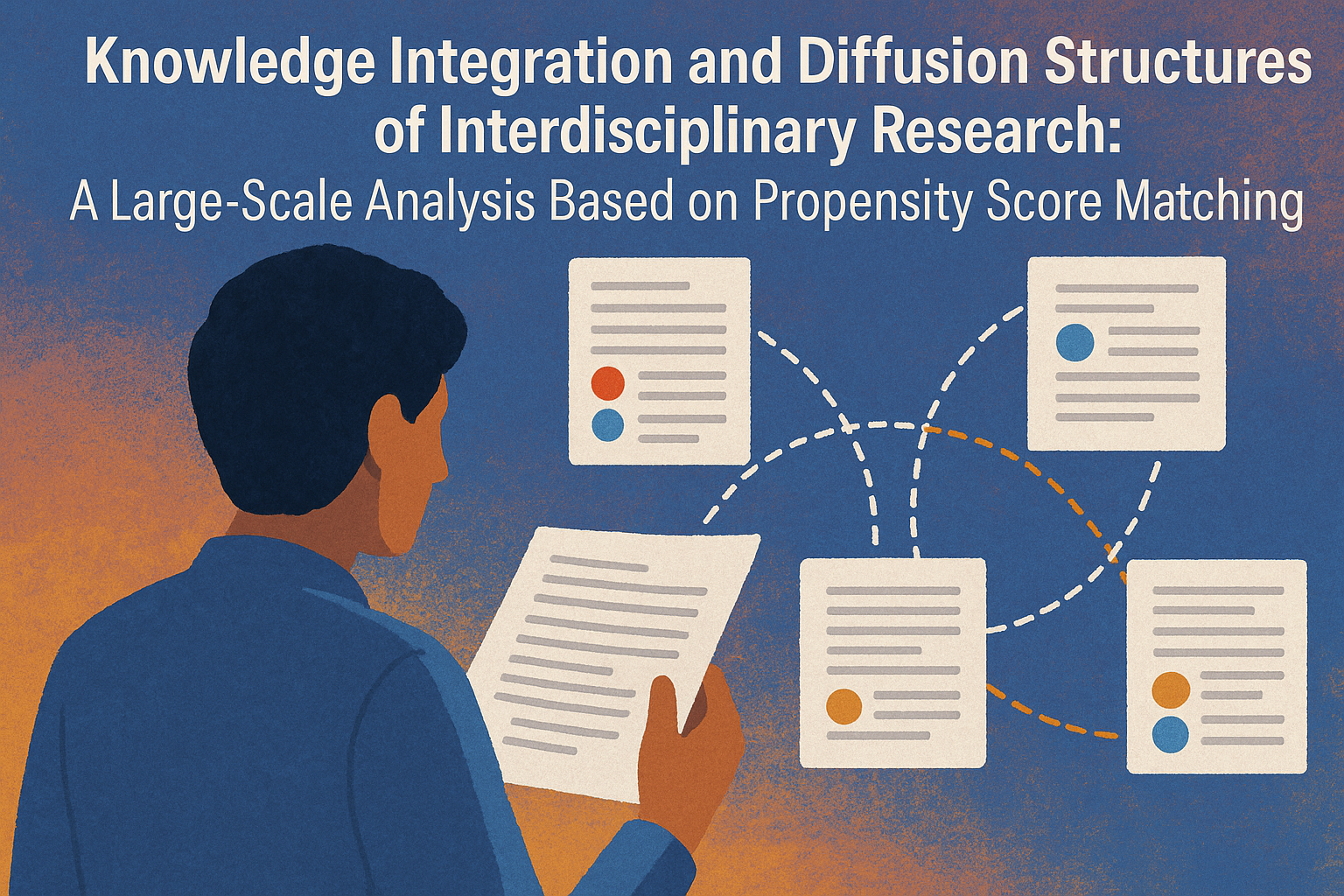
Knowledge integration and diffusion structures of interdisciplinary research: A large-scale analysis based on propensity score matching
A matched comparison of interdisciplinary and unidisciplinary papers examines how knowledge is integrated and diffuses across fields.
Jiawei Xu, Zhihan Zheng, Chao Min, Win-bin Huang, and Yi Bu.
The Journal of the Association for Information Science and Technology (JASIST), 2025. Code Paper
Selected publications. See my CV for the full list ↗
News
I spent Summer 2026 as an Applied Scientist Intern at Amazon (SEA24) in Seattle, WA.
Professional Experience

Applied Scientist Intern
May – Aug. 2026Amazon · Seattle, WA (SEA24)
Self-improving automated research loop for machine learning tasks
Mentors: Dihan Dai and Keyang He · Manager: Jinhe Shi
Technical advisors: Jiajian Lu and Olcay Boz
Applied Scientist Intern
May – Nov. 2025Amazon Search · Palo Alto, CA (SFO24)
Rethinking the Value of Multi-Agent Workflow
Featured in DAIR.AI Top AI Papers of the Week
Mentors: Arief Koesdwiady, Sisong Bei, Yan Han · Manager: Yutong Chen

Graduate Research Assistant
Aug. 2023 – Aug. 2026The University of Texas at Austin
iSchool (Information), School of Computing
Selected projects
Patient Simulator — Developed a voice-based AI patient simulator to help medical students practice clinical conversations and patient communication. Related exploration includes SEER, which studies long-context reasoning through selective visual-text compression.
Cell Maps for AI (CM4AI) — Developed interactive knowledge graph visualization and teaming recommendation tools to help researchers explore expertise and identify potential collaborators.
LLM uncertainty quantification and hallucination detection for health — Contributed to Mapping from Meaning, studying prompt sensitivity and uncertainty calibration, and MedHallu, a benchmark for detecting medical hallucinations.
LLM-assisted thematic analysis — Developed methods for identifying themes in interviews with parents of children with congenital heart disease, with evaluation against human analysis and expert review.
Service & teaching
Service
Sydney, Australia
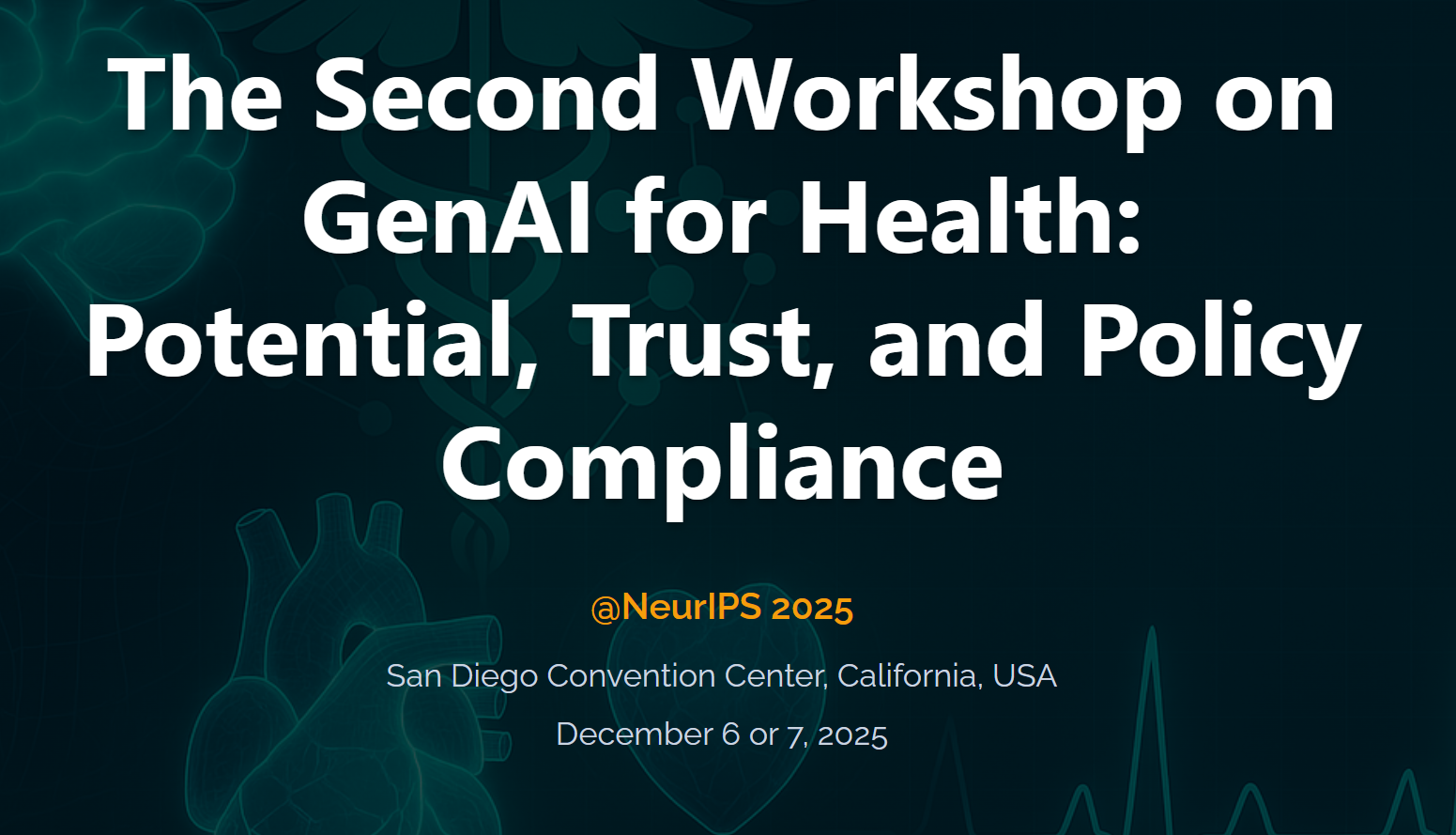
San Diego, CA, USA
Vancouver, Canada
Journal Reviewer:
- ACM Computing Surveys
- Nature Humanities & Social Sciences Communications
- Journal of the Association for Information Science and Technology
- Online Information Review
- Data Intelligence
- Information & Culture
- Journal of Clinical and Translational Science
- Scientometrics
- Data and Information Management
Conference PC Member & Reviewer:
- ICML
- NeurIPS
- ACL Rolling Review
- ML4H
- AAAI
Teaching
LLM Prompt Engineering and Multi-Agent Systems
Guest Lecture · UT Austin
Data Visualization
Teaching Assistant · Peking University
Complex Networks
Teaching Assistant · Peking University
Invited Talks
AI Agents over Biomedical Knowledge Graphs: Finding Collaborators and Querying Data from Research Papers
NSF Convergence Accelerator meeting · Project demo
CM4AI Talent Knowledge Graph
Virtual Talk
Beyond Correlation: What Factors Influence Scientific Performance
Virtual Talk
Education
Ph.D. student in Information Studies
Aug. 2023 – PresentThe University of Texas at Austin
Committee: Prof. Ying Ding (Chair), Prof. Yan Zhang, Prof. Kenneth Fleischmann

Master of Science
Sep. 2021 – Jul. 2023Information Science
Peking University
Department of Information Management
Advisors: Professor Yi Bu and Professor Win-bin Huang
Bachelor of Management
Sep. 2017 – Jul. 2021Information Management and Information Systems
Peking University
Department of Information Management
Research perspective
With Professor Ying Ding, I design and study LLM-based agents across grounded reasoning, healthcare, and scientific discovery.
One question runs through all of it: how can humans and AI collaborate to advance science and well-being? It grew out of a different one I explored earlier with Professor Yi Bu and Professor Win-bin Huang at Peking University: how human scientists collaborate with each other, studied through citation networks, interdisciplinarity, and knowledge diffusion at scale.
That earlier work shapes how I approach AI today: I am interested in how agents work with people, use evidence, and support biomedical discovery and healthcare. Across these projects, I study how to make human–AI collaboration more reliable and useful, with better health as a long-term goal.